Baked Goods
Plant-based burgers, sausages, mince, deli, and ready-to-eat meat alternatives

Natural vitamin and mineral fortification for meat replacement manufacturers
Meat replacement is the category where the values gap matters most. Shoppers choose plant-based for ethical, environmental, and nutritional reasons - then find synthetic cyanocobalamin, ferrous sulphate, and zinc oxide listed on the back of pack.
BIOVIT closes that gap with plant-derived B12, Iron, and Zinc - the three nutrients meat naturally delivers and plant proteins don’t.
All three core fortification nutrients carry clinical bioavailability data from the Swansea University human intervention trial. Heat-stable through extrusion, cooking, and retort processing typical of plant-based burger, sausage, and ready-meal formats, with overage calculations tuned per processing route by Eiméar.
Samples available on request. Reformulation support included with every order.
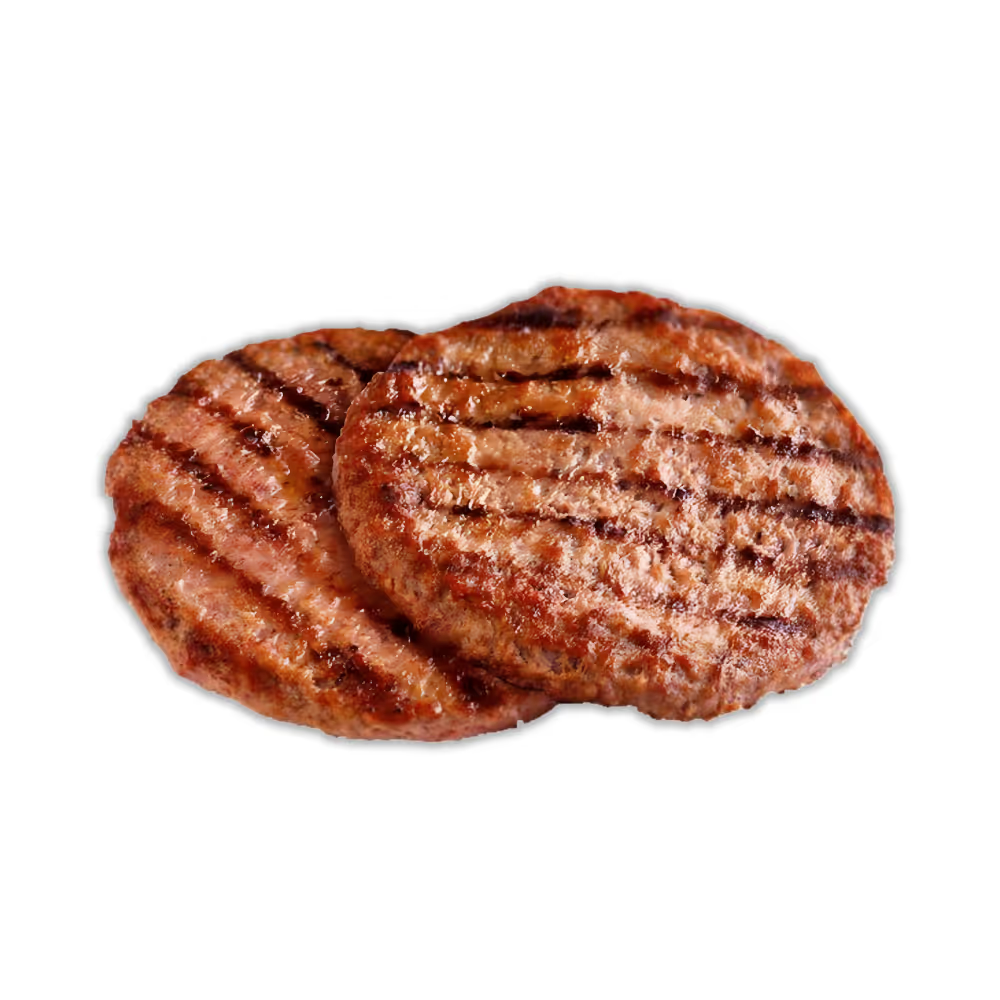
Format Specification
B12, Iron, and Zinc are the three nutrients meat naturally delivers and plant proteins don’t. They’re the three nutrients most plant-based meat products fortify with - almost always from synthetic sources.
The plant-derived alternative is the single biggest credibility lever in the category, and all three carry clinical bioavailability data from the Swansea University human intervention trial.
Natural ingredients built for the plant-based category
The three nutrients meat naturally delivers and plant proteins don’t - now available from plant-derived sources. Together they close the credibility gap between front-of-pack plant-based positioning and back-of-pack synthetic vitamin declarations.
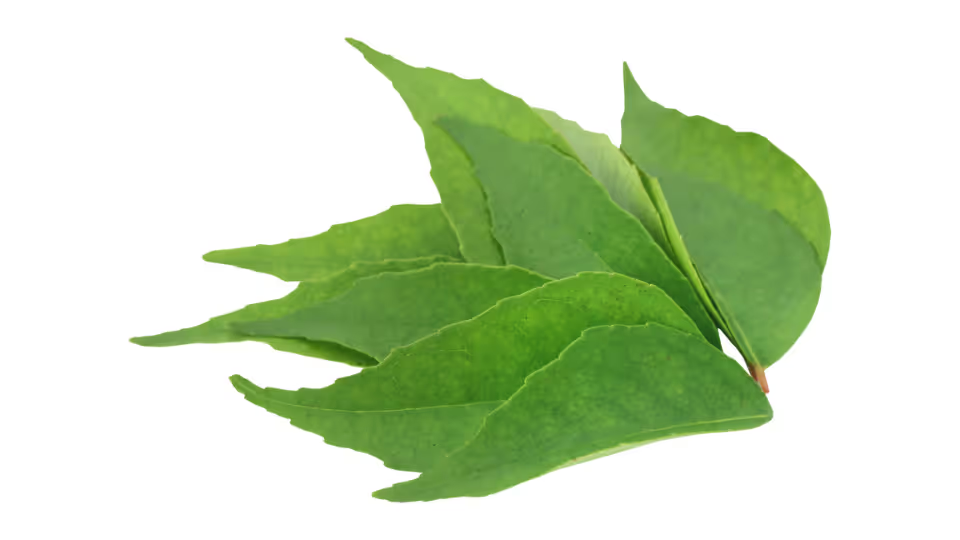
Iron (curry leaf)
Plant-derived alternative to ferrous sulphate. Taste-neutral in burger and mince formulations, with clinically proven bioavailability from the Swansea trial.

Vitamin B12 (shiitake)
The single most important nutrient in plant-based meat - and the one most exposed to the values gap when supplied as synthetic cyanocobalamin.
Zinc (guava leaf)
The third meat-equivalent nutrient. Replaces synthetic zinc oxide and zinc sulphate with a recognisable plant source on the declaration.
Premixes built around the meat being replaced
BIOVIT blends that map onto the nutrient priorities of meat replacement - B vitamin breadth, broad-spectrum equivalence, and the B12 + Iron pairing that defines this category’s on-pack health story. Each one available off-the-shelf, with Eiméar tuning inclusion rates per product.

B Vitamin Blend
Covers the B12 gap that defines plant-based meat as a nutritional category. A clean botanical blend of B vitamins replacing synthetic cyanocobalamin and the B-vitamin synthetics that typically accompany it on the declaration.

Broad Spectrum
For plant-based meat products targeting full nutritional equivalence with the animal product being replaced. Multi-nutrient breadth in a single inclusion, with the back-of-pack declaration sitting as a short list of recognisable plant sources.

Energy Premix
B12 and Iron - the two priority nutrients meat replacement consumers expect on the label. Unlocks the energy, fatigue, and oxygen-transport claim set from plant-derived sources, replacing the cyanocobalamin and ferrous sulphate this audience least wants to see.
Close the values gap on your next plant-based meat product
Samples dispatched within a week. Reformulation support included.
Frequently asked questions
Practical answers to the questions buyers and formulators ask most when specifying natural fortification for plant-based meat - bioavailability, processing, declarations, and bespoke blend development.
Meat is the only natural dietary source of B12. Plant-based products targeting meat-equivalent nutrition must fortify or carry a credibility gap on nutritional positioning. Shiitake B12 replaces synthetic cyanocobalamin with a recognisable plant source - critical for the values-led shopper this category was built for.
Yes. The Swansea University human intervention trial measured serum response across eight markers and confirmed bioavailability for Iron alongside Calcium, Zinc, Biotin, Folate, B12, Vitamin C, and Vitamin D. Iron is one of the three nutrients meat naturally delivers efficiently, so the bioavailability question matters more here than in any other category.
Yes. Stability profiles for the high-temperature, high-moisture conditions typical of plant-based burger, sausage, and ready-meal formats are established through RSSL and Eurofins. Eiméar calculates overages per processing route, factoring in temperature, dwell time, and target shelf life.
No. Synthetic ferrous sulphate and ferrous fumarate carry the metallic note that compromises plant-based meat formulations. Curry leaf Iron is taste-neutral - a critical property for plant-based burger and mince products where every flavour note registers.
Plant-source names rather than chemical names: “shiitake mushroom extract,” “curry leaf extract,” “guava leaf extract.” For a brand built on values-driven positioning, that declaration removes the single biggest credibility gap most plant-based products currently carry.
Yes - Eiméar can formulate bespoke premixes for plant-based meat products where the off-the-shelf blends above don’t map cleanly onto your nutritional positioning. Contact the team to brief in product format, target audience, and the nutritional profile you’re competing against.
Single ingredients: 1 kg MOQ with an approximate 1-week lead time. Premix blends: 5 kg MOQ with an approximate 4-week lead time. Samples available on request — contact the team to specify quantity and shipping arrangements.
Reformulation support is included
Every BIOVIT wholesale order comes with full technical reformulation support at no extra cost, giving your NPD and technical teams direct access to a qualified nutritionist from brief to production.
Eiméar Sutton RNutr MSc, our Head of Nutrition, leads the technical work on every account: equivalence mapping against your incumbent synthetic, inclusion-rate modelling, on-pack claim wording aligned to GB and EU regulation, and the small details that decide whether a synthetic-to-natural switch lands cleanly on the production line.
The result: shorter development cycles, fewer reformulation rounds, and a finished product your commercial team can stand behind.